In today’s world, almost anyone can start Music Production from a bedroom. A laptop, a DAW, a few plugins, and YouTube tutorials are enough to begin making tracks. But there’s a clear gap between making music at home and working as a professional music producer.
So what actually changes when someone moves from a bedroom setup to a professional environment? It’s not just better gear — it’s mindset, workflow, accuracy, and education.
Let’s break it down.
1. From “Sounds Good” to “Sounds Right”
Bedroom producers often rely on instinct:
“If it feels good, it must be right.”
Professional Music Production demands something deeper — accuracy.
This means:
- Mixes that translate across phones, cars, theatres, and streaming platforms
- Understanding frequency balance, stereo imaging, and dynamics
- Making decisions based on listening, not guessing
This shift usually happens when producers undergo structured learning through music production courses or sound engineering courses, where critical listening is trained intentionally.
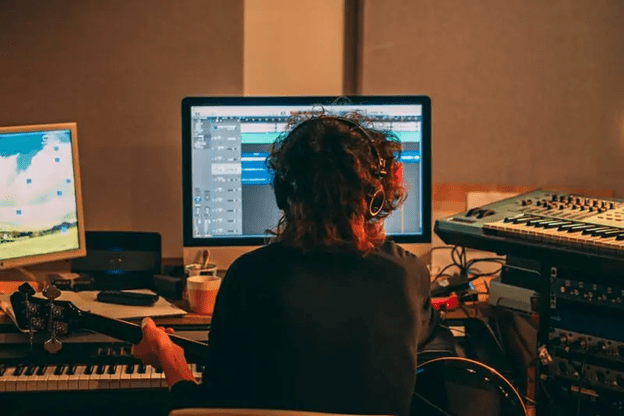
2. Workflow Becomes More Important Than Creativity Alone
In a bedroom setup, creativity leads the process. In professional environments, workflow supports creativity.
Professional producers learn:
- Session organization
- File management
- Version control
- Efficient editing and comping
- Working under deadlines
A structured music making course teaches students how to move fast without losing quality — a skill clients value more than raw talent.
3. Monitoring Changes Everything
One of the biggest upgrades from bedroom to professional Music Production is monitoring.
Bedroom producers:
- Mix on headphones or entry-level speakers
- Adjust mixes based on references or guesswork
Professional environments:
- Treated rooms
- Accurate monitoring systems
- Consistent listening positions
At Gray Spark Audio Academy, students learn inside working studios, allowing them to hear how professional mixes are supposed to sound — not just visually look right in a DAW.
4. Education Becomes Structured, Not Random
Most bedroom producers learn in fragments:
- One YouTube tutorial on compression
- Another on vocal chains
- Random advice from forums
Professional growth comes from structured education.
High-quality course music production programs focus on:
- Signal flow
- Gain staging
- Recording techniques
- Mixing fundamentals
- Real-world studio practices
This structured approach helps students connect concepts instead of memorising tricks.
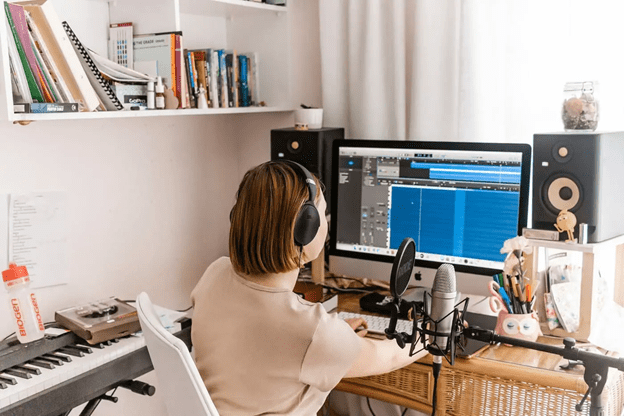
5. Collaboration Replaces Isolation
Bedroom production is usually a solo journey.
Professional Music Production is collaborative:
- Working with artists
- Communicating with directors
- Taking feedback from clients
- Delivering revisions calmly
This is where sound engineering courses inside real studios matter. Students don’t just learn tools — they learn how to work with people, which is essential for long-term careers.
6. Gear Stops Being the Obsession
Bedroom producers often chase plugins and presets.
Professionals focus on:
- Mic placement
- Room acoustics
- Source quality
- Performance over processing
A good music production course teaches that great sound starts before the DAW — a lesson that changes how producers approach every project.
7. Career Thinking Replaces Hobby Thinking
The final shift is mindset.
Bedroom producers ask:
- “Is this track good?”
Professionals ask:
- “Is this usable?”
- “Does this translate?”
- “Does this meet the brief?”
At Gray Spark Audio Academy, students are trained to think like working professionals — whether they aim to become producers, engineers, or independent artists.
Final Thoughts
The jump from bedroom producer to professional isn’t about talent alone. It’s about:
- Accuracy over loudness
- Structure over chaos
- Education over shortcuts
- Experience over presets
With the right Music Production education, supportive mentors, and real studio exposure, that gap becomes achievable — not intimidating.
And that’s where the right music production courses and sound engineering courses make all the difference.
 Tuneza
Leave a comment